Projects · 433 MHz
TinyGS Ground Station
A solar-powered LoRa receiver that listens for small satellites and reports what it hears to the TinyGS network.
- Band
- 433 MHz
- Current draw
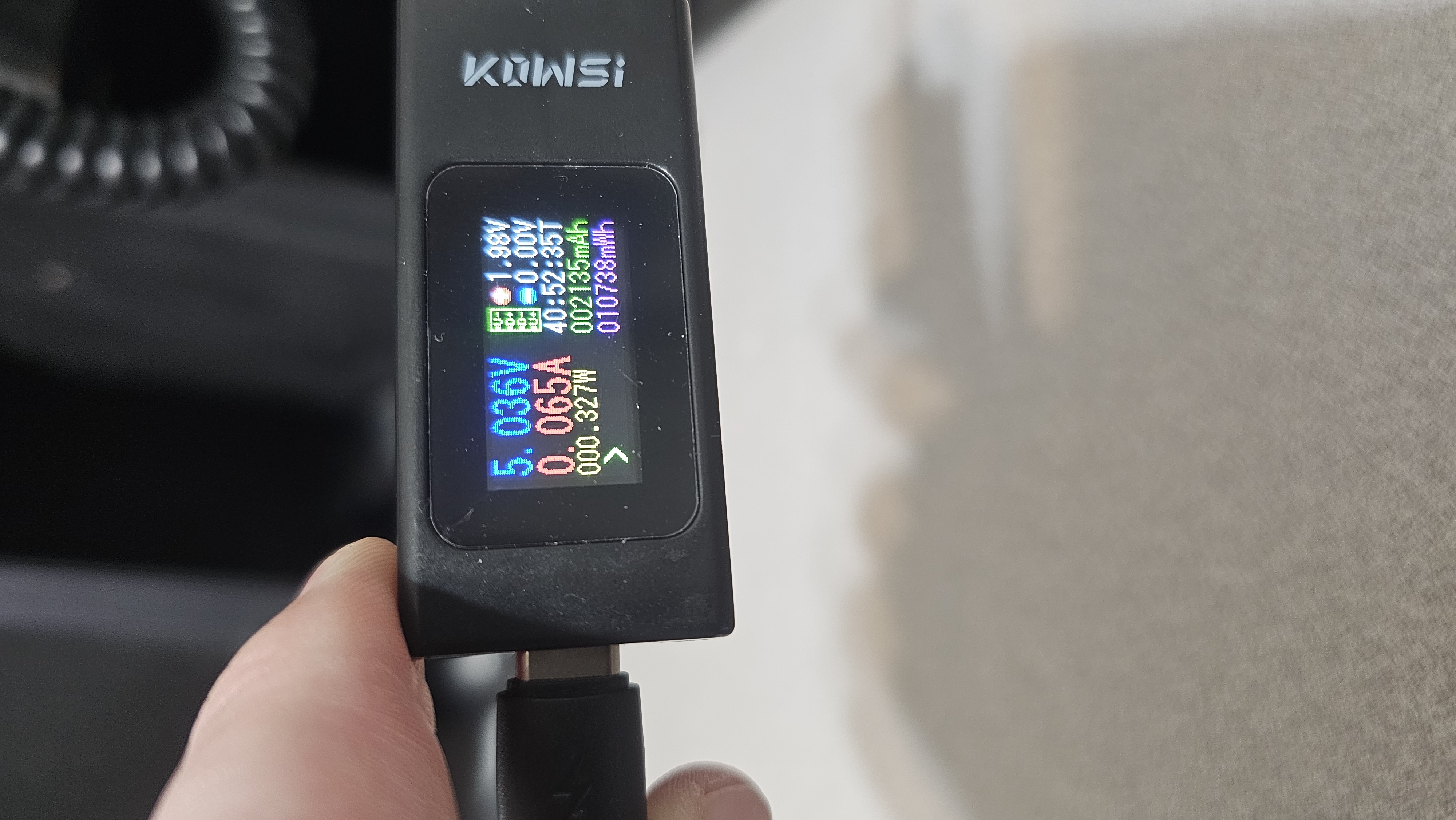
- ~0.065 A
- Runtime · 2× 18650
- ~42 h
- Build cost
- $124.57
How it started
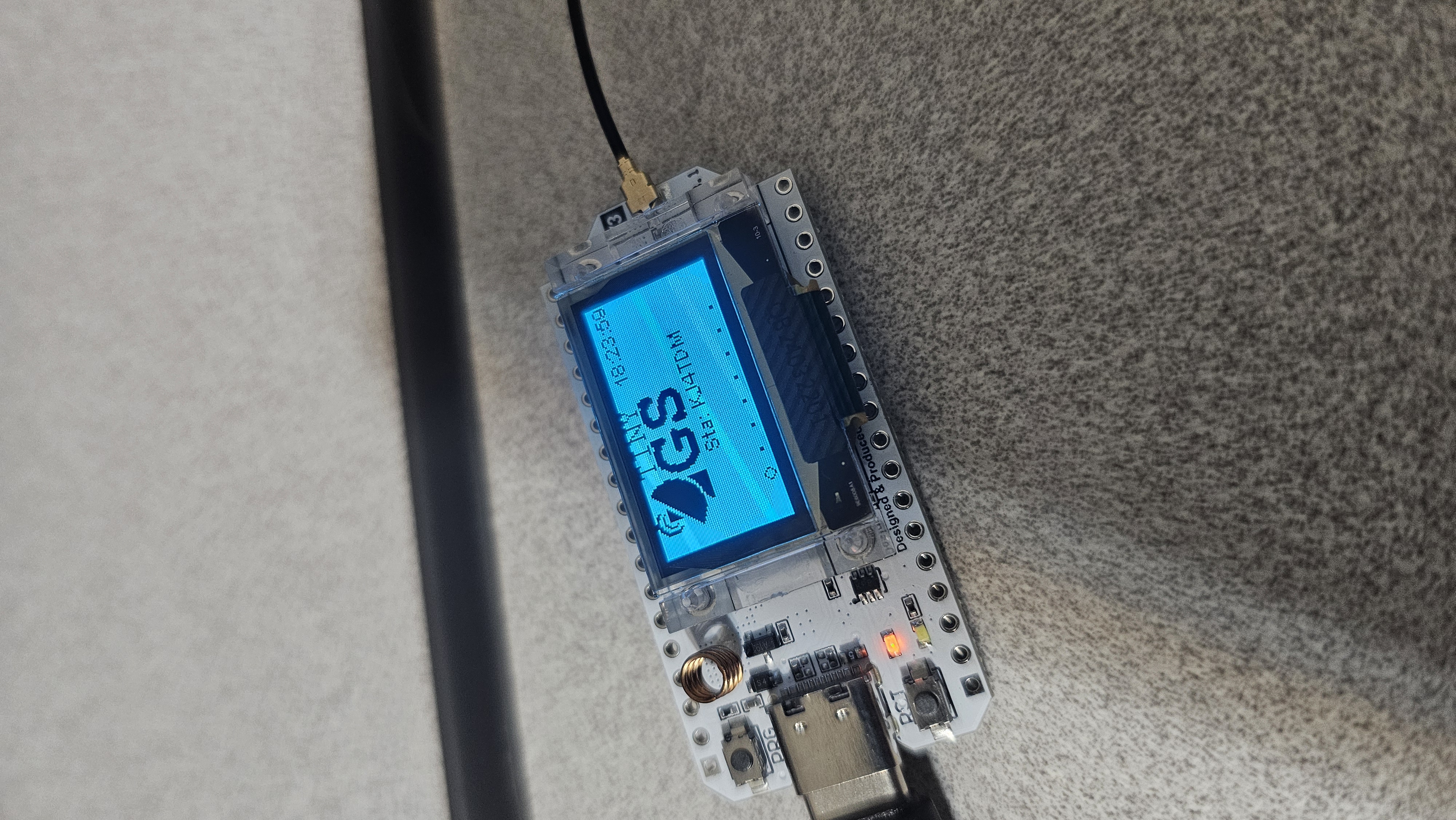
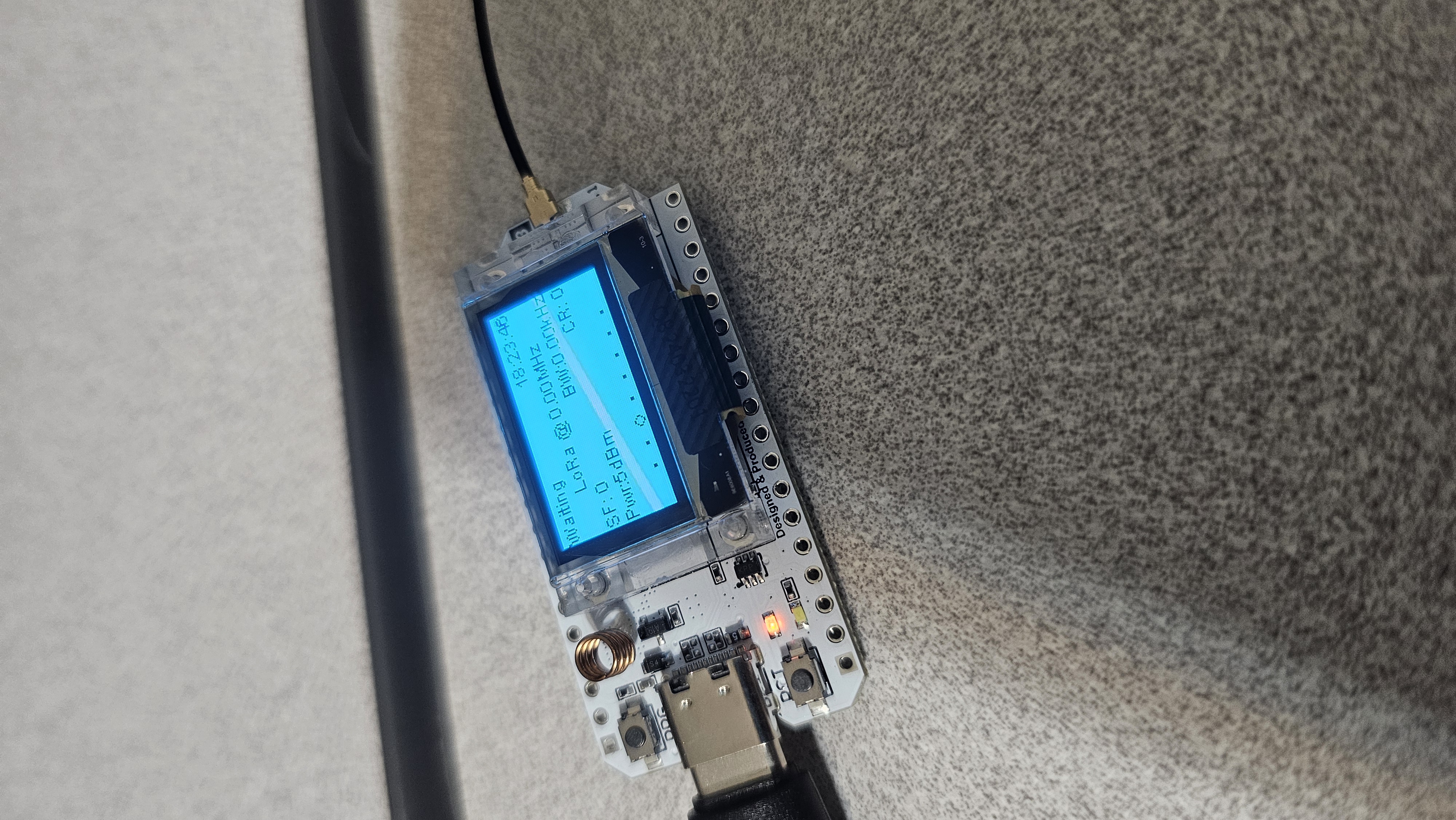
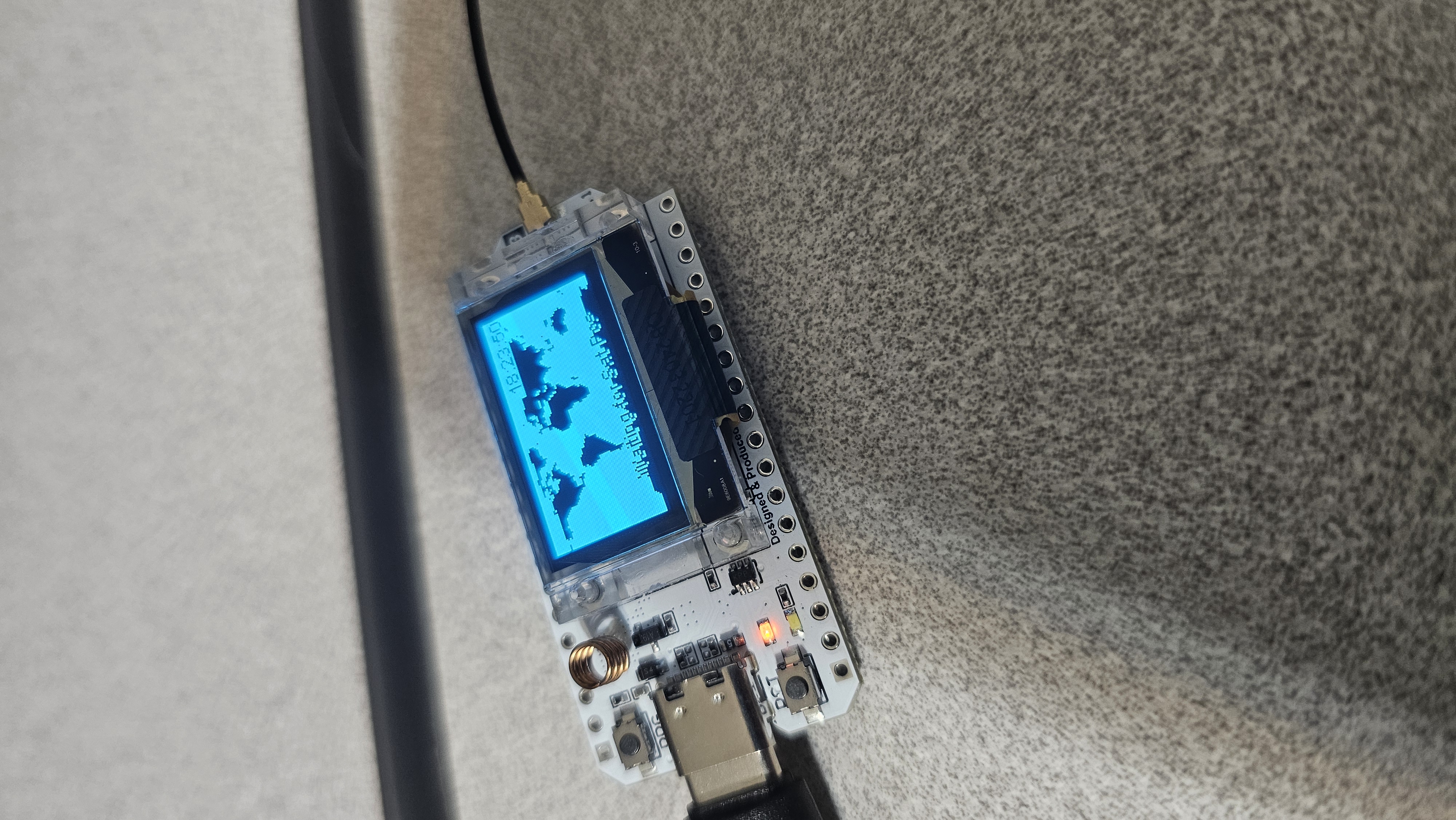
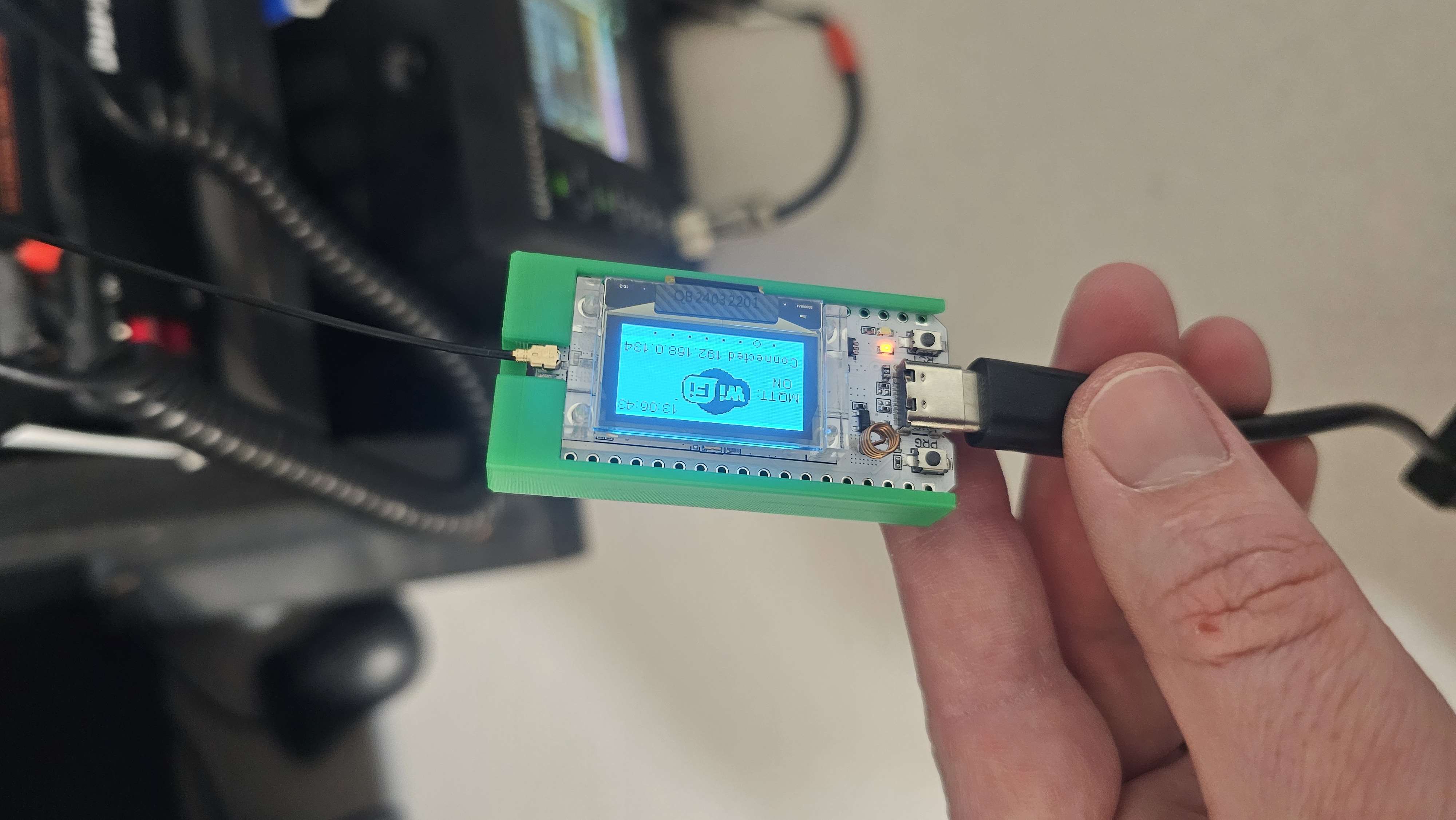
I came across the TinyGS project one day while watching YouTube, where I get most of my ideas, and thought it would be a fun one to build. After watching a few videos and browsing the web, I ordered the hardware. I was already familiar with the ESP32 from other projects, so I understood its role. I 3D printed a mount for it.
The battery puzzle
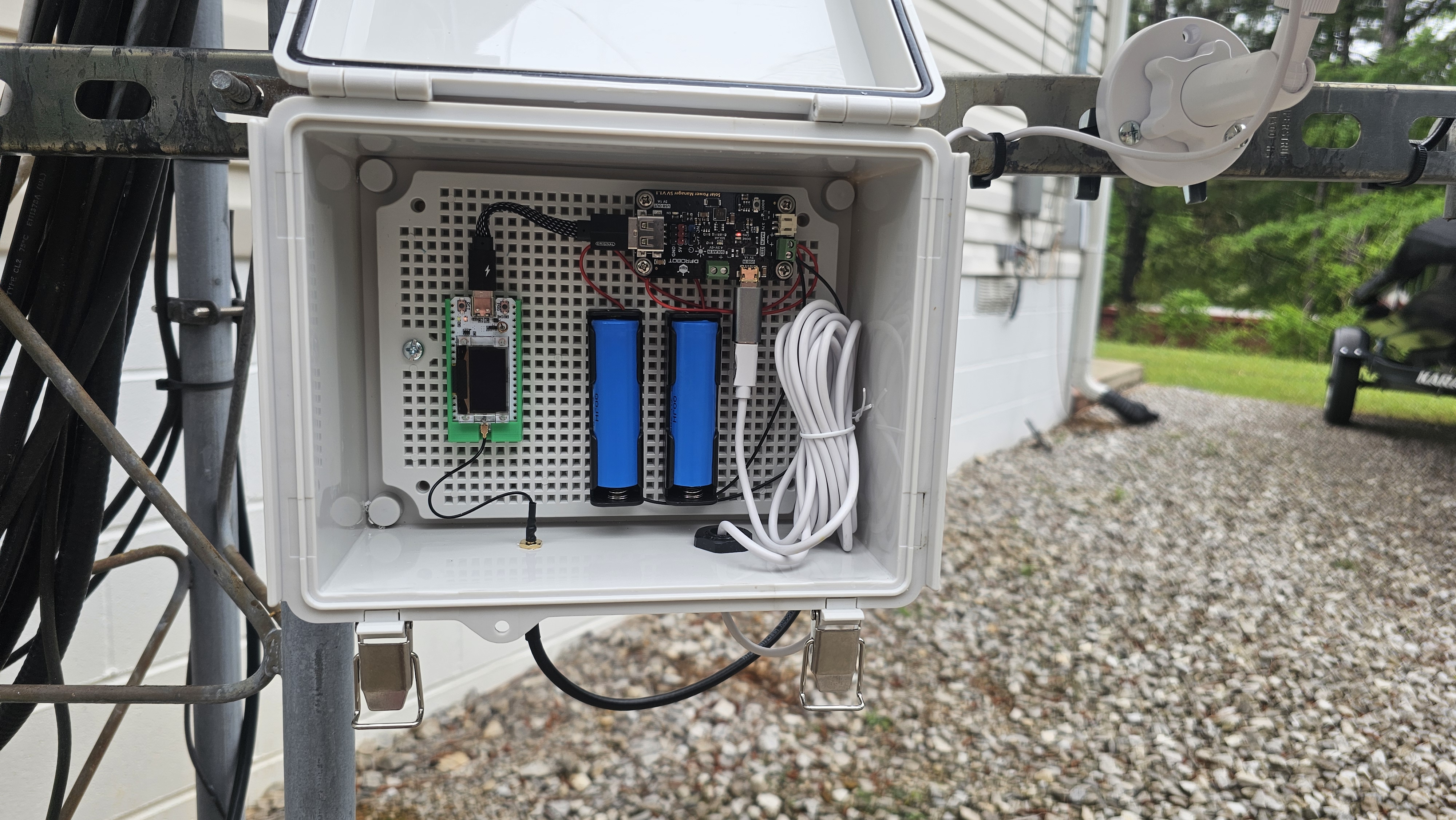
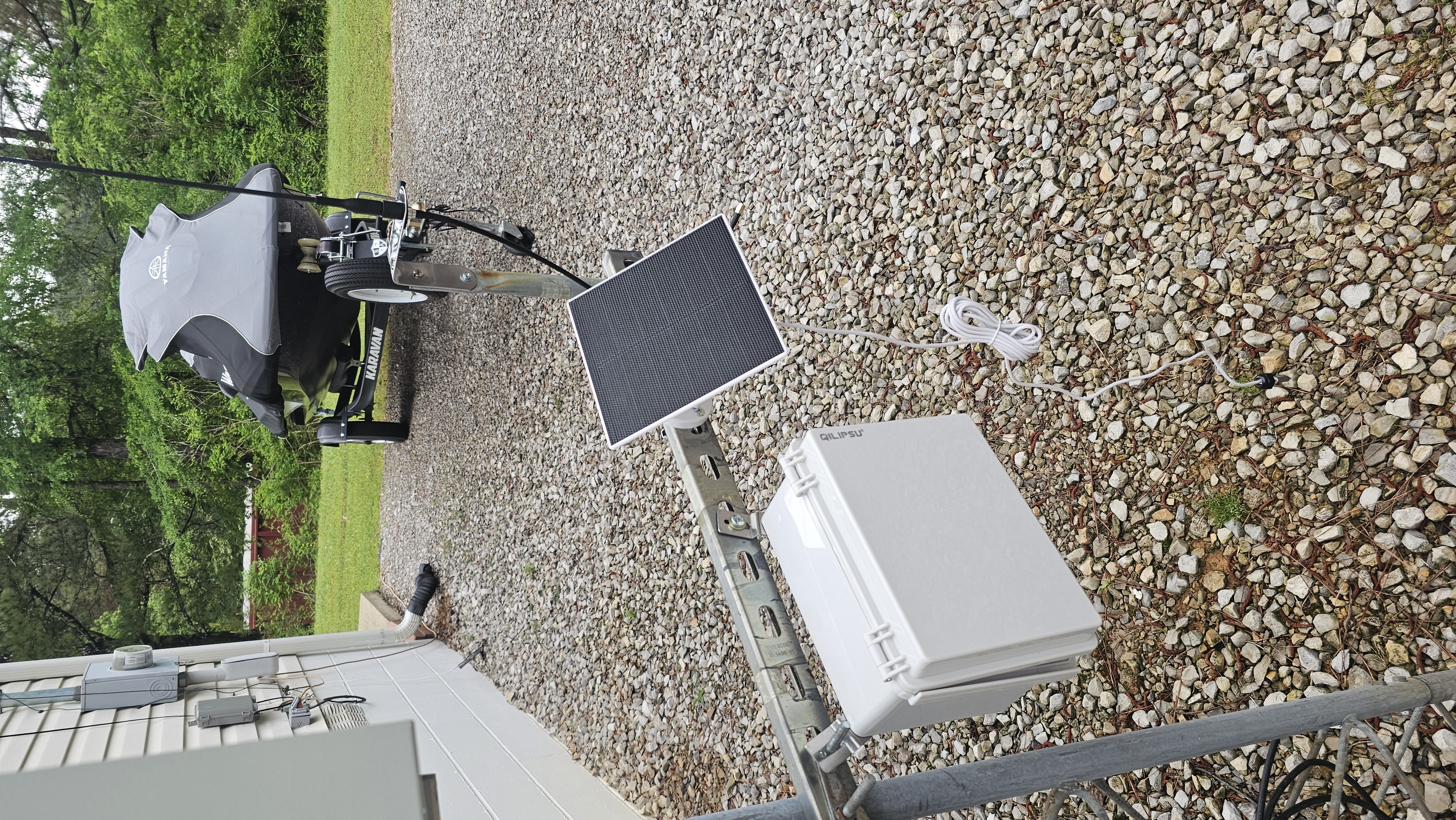
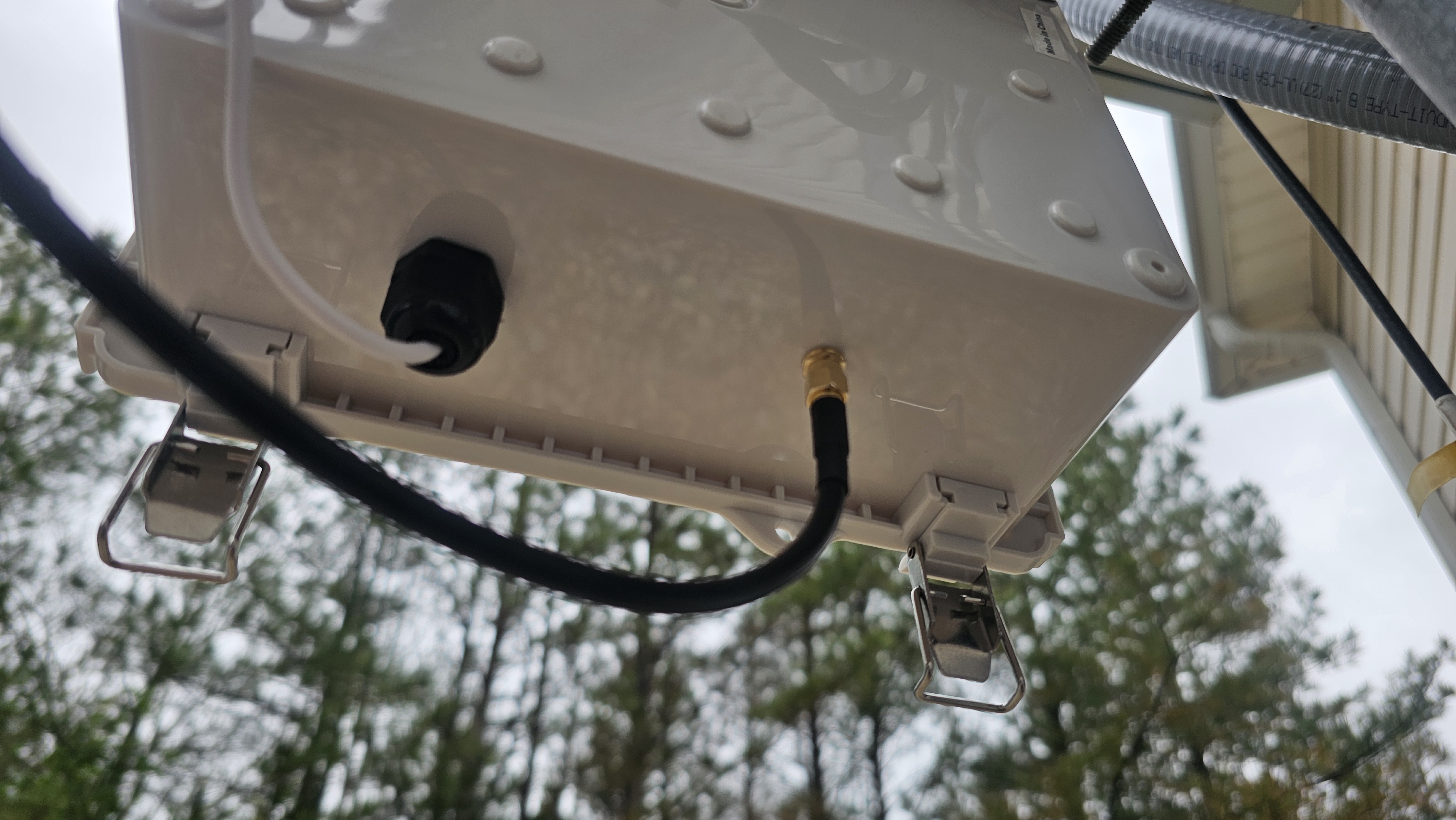
I experimented with power and found it pulls around 0.065 amps, so I tried running it off a single 18650 3000 mAh battery. It didn't last a full day! The math says it should have lasted 40+ hours. Turning the screen off didn't help much. I ended up adding a second battery, as seen in the pictures below, and now I get around 42 hours.
I don't know why the batteries drain so fast. The 5 V solar panel I'm using seems to keep it charged well enough. The charge controller I found on Amazon is pretty cool — power can go in and out several different ways — and I suspect it has something to do with how fast my batteries drain.
The antenna
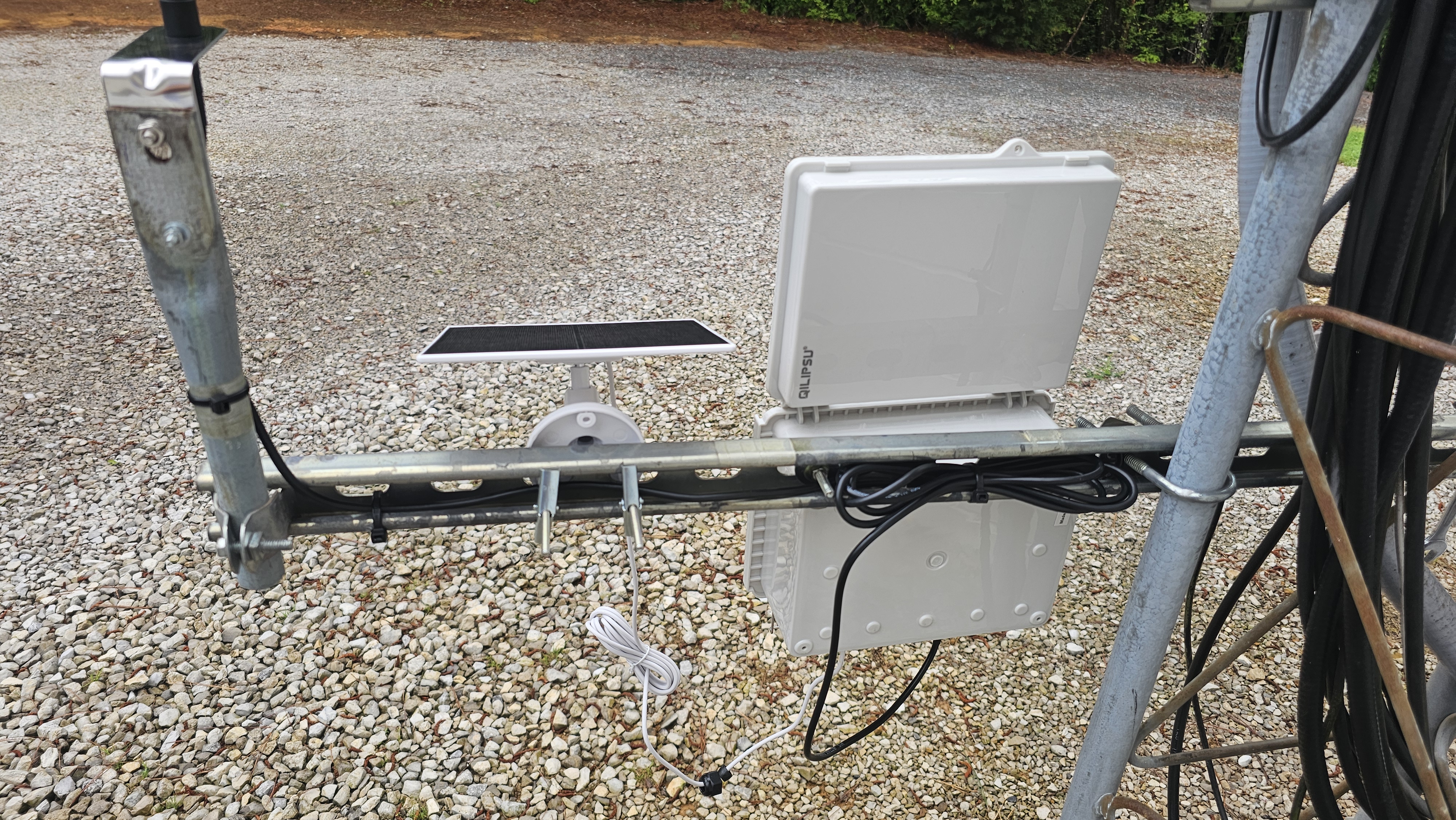
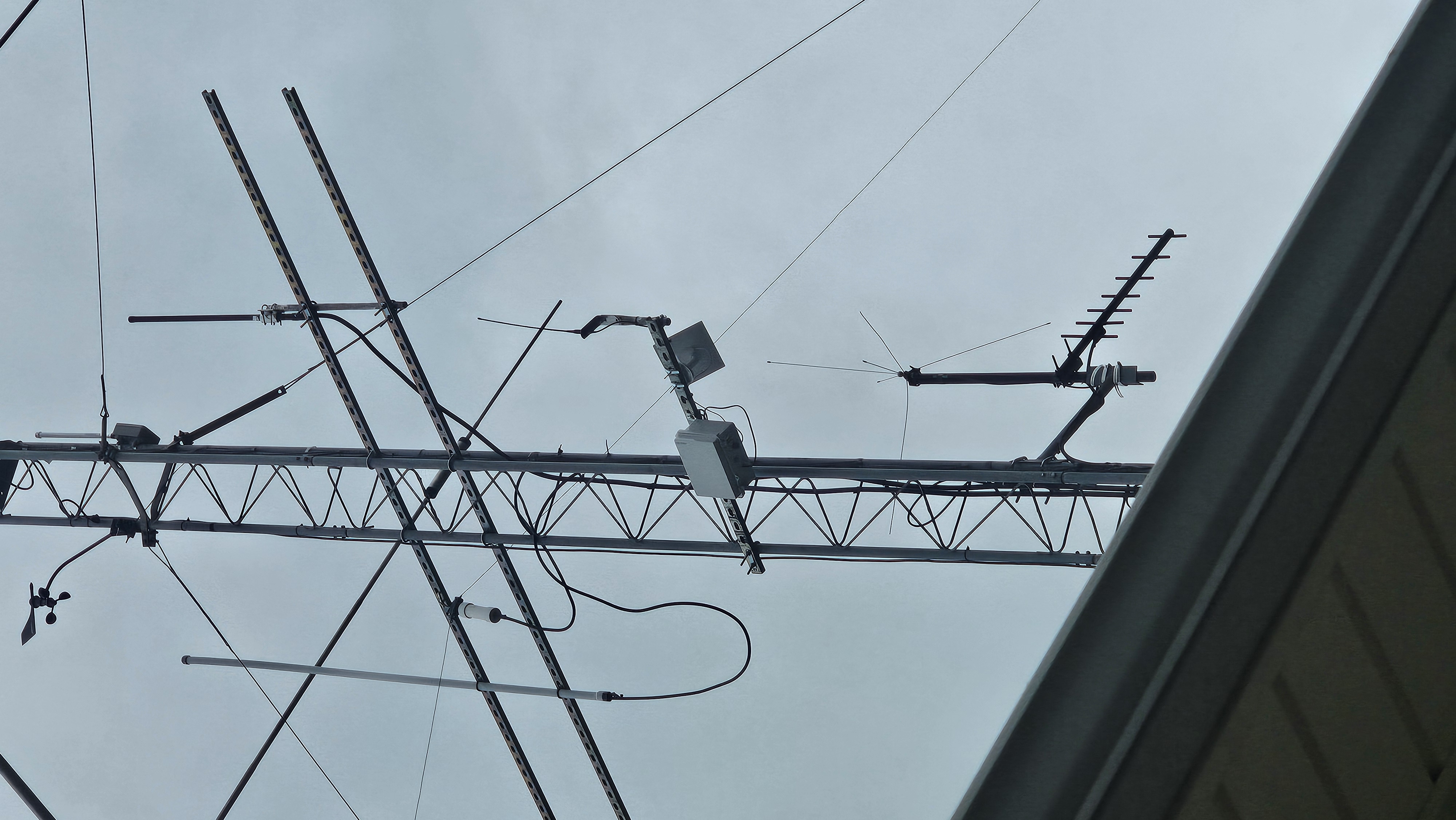
This project sat on my test bench for months before I finally settled on an antenna. My plan was not to spend a lot of money, so I ended up using a cheap low-gain 433 MHz antenna. Overall, this was a very easy build, and it's serving a good cause.
Parts
- HiLetgo ESP32 LoRa V3 (SX1262)Board with 0.96" OLED display
- UAYESOK 433 MHz antennaExternal, low gain
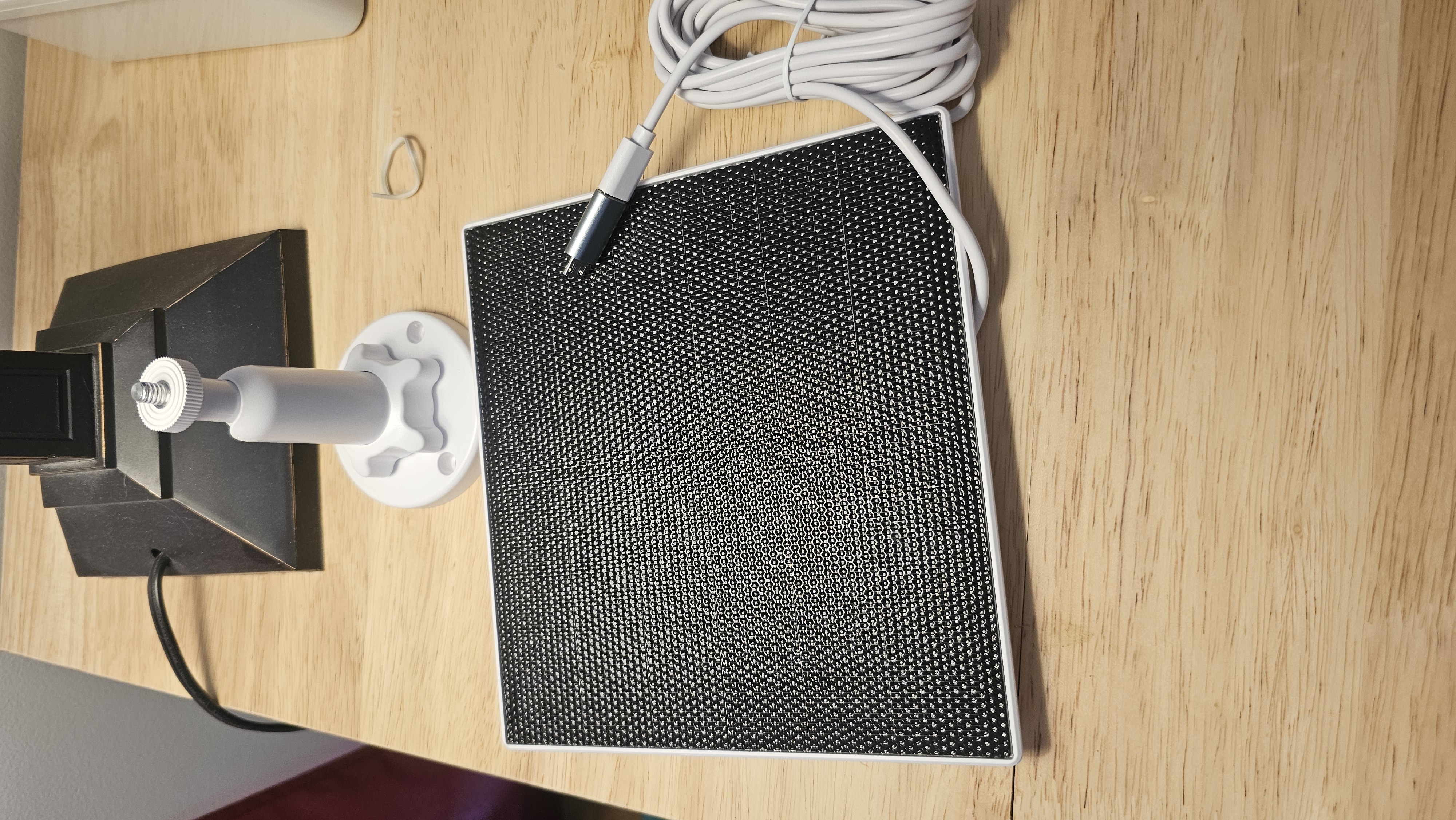
- Ankway 5 W solar panel5 V
- 900 mA MPPT solar power managerSolar and USB charging
- QOJH 18650 3000 mAh × 23.7 V lithium-ion
- QILIPSU IP67 junction boxWeatherproof enclosure
- JXMOX USB-C to Micro USB adapterAdapter
All from Amazon. Total cost at the time: $124.57.